

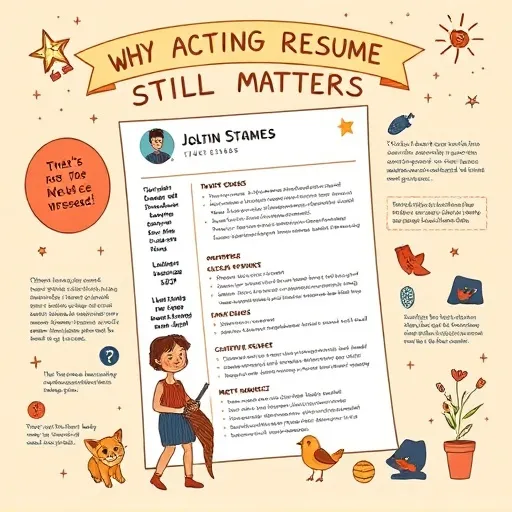
Acting resume still
Why Your Acting Resume Still Matters in 2026
Some folks will swear up and down that the resume is dead and your reel does all the heavy lifting. Not so fast. Your acting resume is still the document that tells a casting director who you are, what you've done, and whether you belong in the room — before you ever step foot in it. It's your calling card, your credibility signal, and sometimes the tiebreaker when two performers look equally sharp on tape. Knowing what to include in an acting resume is still one of the most practical skills a working actor can develop.
What has changed is the format. Most submissions now happen through digital platforms, and plenty of industry professionals say they spend less time than ever on each document. That means clarity beats cleverness every single time. A clean, well-organized acting resume that's easy to scan will outperform a cluttered, artsy one — no contest. When you're thinking about what to include in an acting resume, think scannable first, stylish second.
The Core Sections, Contact Info, and Header Details Every Actor Needs to Know
Let's get into the meat of it. Here's the standard structure that working performers use, and the one most industry professionals expect to see when they open your acting resume.
This is the easiest part, but people still mess it up. At the top of the page, include your name — big, bold, and at the very top, using the name you're registered under with any performers' union if that applies. Add your contact details: a professional email address and phone number (skip the quirky email you made at sixteen). List your location — city and region are plenty, since many casting professionals work across multiple markets and this helps them place you. If you have an agent or manager, list their details in a separate, clearly labeled block. Finally, drop in a short, clean URL to your reel or portfolio site, plus a note about your digital profile on a well-known casting platform.
One pro tip from a veteran industry professional: keep your header to four lines maximum. Nobody needs your full mailing address or your social handle in 2026. That's a small but mighty piece of what to include in an acting resume wisdom.
Physical Attributes, Playing Age, and Vocal Range Basics for Your Acting Resume
This section is standard in the acting world and genuinely useful — casting needs to know what you look like on camera. Include your height, hair and eye color, and your playing age range. That last one is the age range you can convincingly portray, not your actual age — be realistic but not self-deprecating. Add vocal range or accent base if it's relevant to your market. Some performers also list union membership here. Keep it factual and tight — this is reference info, not a personality quiz. It's a small section, but it's absolutely part of what to include in an acting resume.
Acting Experience, Production Credits, and Role Descriptions That Casting Directors Scan First
Here's where most of the decision-making happens. Your experience section should be organized in three columns: the production title, the role, and the director or production company. List your most impressive and most recent credits first. Lead with your strongest credits — if your best work is a supporting role in an indie feature and your most recent is a student film, the feature goes first. Be specific about the role: "lead," "supporting," "principal," and "featured" are standard descriptors, so avoid vague phrasing. Include theater, film, television, and commercial work in clearly separated sub-sections if you have enough credits in each; early in your career, one combined section is fine.
And don't pad. Three strong, honest credits beat ten inflated ones. Industry insiders notice padding immediately, and it hurts your credibility. Wondering whether to include that tiny background role from years ago? Probably not. Curate ruthlessly — your acting resume is a highlight reel, not an archive. This is the section where what to include in an acting resume matters most.
Training, Education, and Special Skills That Make Your Acting Resume Bookable
Casting professionals genuinely care about training. It signals commitment and craft. Include formal drama programs or conservatory training with the institution and program name, notable teachers or coaches (described generically if you prefer, e.g., "studied Meisner technique with a respected LA-based coach"), and relevant, recent workshops and intensives. If you're just starting out and your training is your strongest asset, this section can move higher up the page. Once you've got a solid list of credits, training shifts lower — it stays on, but it stops being the headline.
Then there's special skills, where a lot of performers accidentally hurt themselves. Special skills should be genuinely marketable — things casting might actually need you to do on camera. Think languages and fluency levels, dialects and accents you can perform convincingly, musical instruments you play at a performance level, and sports and physical skills like horseback riding, martial arts, stage combat, and dance styles. Add driving (including special licenses), stunt experience, and motion capture experience. Leave off "reading" and "watching movies" — every performer can do those. A good rule of thumb for what to include in an acting resume: if it wouldn't help you book a specific type of role, it doesn't belong here. And keep this list current — if you haven't touched a violin since high school, don't claim it.
Formatting Rules, PDF Submissions, and One-Page Layouts That Actually Get Read
Formatting isn't glamorous, but it's the difference between a resume that gets read and one that gets skipped. Unless you're a highly established performer with decades of major credits, your acting resume should be one page. Period. This isn't the place for a two-page career retrospective — trim, prioritize, and cut until it fits. Use a standard, legible font, keep margins reasonable, and use consistent spacing and clear section headings. The document should look professional at a glance — think "well-organized business document," not "experimental art project."
In 2026, nearly all submissions are digital, so save your resume as a PDF format so the formatting doesn't shift when someone opens it on a different device. Name the file professionally — your name plus "Resume" works perfectly. And keep it updated: a stale resume is a silent killer. Update it every time you book something, finish a class, or gain a new skill, and set a reminder to review it quarterly. Many casting professionals say an outdated credit list is a red flag that a performer isn't actively working. That refresh habit is quietly part of what to include in an acting resume — freshness counts.
Tailoring Your Resume for Film, Theater, and Commercial Casting Markets
Here's a nuance that separates pros from beginners: your acting resume isn't one-size-fits-all. You may want a slightly different version for different markets. For film and television submissions, lead with screen credits and keep theater shorter. For theater auditions, put stage work front and center and include vocal range and movement training. For commercial work, emphasize special skills, physical attributes, and any relevant on-camera experience — commercial casting often cares most about look and skills. You don't need five versions, but two well-tailored resumes will serve you better than one generic document. A seasoned pro once told me that tailoring is the single most underrated resume habit in the business — and honestly, they were right. It's the smartest answer to what to include in an acting resume for each room you're walking into.
Common Mistakes, Typos, and Outdated Credits to Cut From Your Acting Resume
Let's run through the pitfalls quickly, because avoiding these will put you ahead of a surprising number of competitors. Watch for typos — read it aloud, then have someone else read it, because errors scream "unprofessional." Keep formatting consistent: pick a style for credits and stick to it throughout. Never list training you didn't complete — the industry is smaller than you think. Don't forget contact info updates, since a dead email address means a missed opportunity. And avoid overcrowding — white space is your friend, so let the page breathe. Also skip headshots crammed into the document, your full home address, salary history, personal references, irrelevant day jobs, and outdated or exaggerated credits. If a credit is more than a decade old and not your best work, it's probably time to retire it. Knowing what to leave off is just as important as what to include in an acting resume.
Your acting resume is a tool, not a trophy. Its only job is to get you into the room — or, in 2026, onto the shortlist for a self-tape request. Keep it clean, keep it honest, keep it current, and tailor it to the work you want. Get those fundamentals right, and your resume will quietly do its job while you focus on the part that actually books roles: the acting itself. Now go update that document — your next opportunity might be one page away, and you'll be glad you nailed what to include in an acting resume.